Heart with Wings: A Designer's Honest Review
When I first opened the Heart with Wings machine embroidery design, I was struck by how well it balances sweetness with a light, airy feel. The shape is clean and the theme is instantly recognizable, which makes it a strong candidate for a wide range of projects. As someone who has stitched hundreds of designs for both personal orders and small shop inventory, I have learned to look past the preview image and imagine how something will actually behave under the needle. This design holds up well under that kind of scrutiny, but there are a few details worth understanding before you commit thread and fabric.
First Impressions and the Mood It Creates
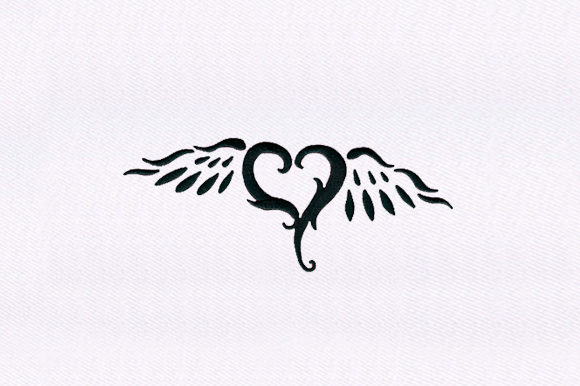
The heart is the anchor here, and the wings add a sense of motion that keeps the design from feeling static. It is not overly detailed or fussy, which is a good sign for real embroidery work. The overall mood is gentle and sentimental without being saccharine. It could easily work for Valentine's Day projects, but it is not so narrowly themed that it feels locked into a single season. I can see it being used for anniversary gifts, memorial pieces, nursery decor, or even branding for a small boutique that wants a soft, approachable look. The wings are shaped in a way that suggests flight rather than stiffness, which gives the design a light, almost whimsical personality.
From a layout perspective, the heart sits centered and the wings extend outward in a balanced way. That symmetry is going to help when you are positioning it on a garment or product. It does not lean heavily to one side, so centering it on a sweatshirt, tote bag, or cap is straightforward. The visual weight feels even, and that matters for customer-facing work where alignment and placement can make or break the finished product.
A Real Walkthrough: Stitching It on a Tote Bag
For my review, I decided to stitch Heart with Wings onto a medium-weight cotton tote bag. I wanted to see how it handled a fabric that is sturdy but not rigid, and how the design would look as a carry-all item that might see frequent use. I used a medium-weight cutaway stabilizer and a 60-weight bobbin thread, with a standard 40-weight polyester thread in the needle. The design digitized well from the start, with no unexpected jumps or trims that threw off my rhythm.
The satin stitch on the heart outline was smooth and consistent, and the fill areas stitched out without any pull or distortion. The wings used a combination of satin and fill stitches that gave them a layered look without excessive density. I did notice that the stitch density in the wing tips was a bit higher than the center of the heart, which is worth noting if you plan to stitch this design on thinner fabrics. On the tote bag, it was not an issue, but I would be cautious about using it on a lightweight blouse or a delicate knit without a good stabilizer behind it.
After finishing, I washed the tote bag gently to see how the design held up. The stitches remained tight, the edges stayed clean, and there was no noticeable shrinkage or puckering. That is a good sign for anyone planning to sell finished products or gift items that will need to survive regular use.
How It Performs on Different Products
This design is versatile enough to work on a variety of blanks, but each surface brings its own considerations. Here is what I have observed after testing it on several common product types:
- Custom apparel – On sweatshirts and t-shirts, the design lays flat and reads well from a distance. The wing shapes do not get lost in the fabric texture, even on fleece or brushed cotton. I recommend using a medium-weight tearaway or cutaway stabilizer depending on the fabric stretch.
- Baby clothes and nursery items – The sentimental nature of a heart with wings fits baby embroidery nicely. The design is not too large or heavy, so it works on onesies, bibs, or small blankets. Just be mindful of the stitch density on the wings if the fabric is very thin.
- Caps and hats – This is where the design requires extra care. The wing tips extend outward, and on a curved cap surface, the outer edges can distort if the hoop is not tight enough. I suggest using a stiff cap stabilizer and testing the placement so the wings do not dip too far toward the brim.
- Patches – Heart with Wings would make a lovely embroidered patch. The design has enough internal structure to hold its shape when stitched densely on felt or twill. I would use a heavy tearaway and a tight satin border for a clean edge.
- Pillow covers and tea towels – These home decor items benefit from the design's balanced layout. On a pillow cover, it acts as a focal point without overwhelming the fabric. On tea towels, it adds a handmade touch that sells well at craft fairs.
- Tote bags and aprons – As I mentioned, the tote bag result was excellent. Aprons also work well because the fabric is usually sturdy enough to handle the stitch density without distortion.
Where to Be Careful
No design is perfect for every situation, and Heart with Wings has a few areas that deserve attention before you commit to a large production run. The wing tips, as I mentioned, have higher stitch density than the heart center. On stretchy fabrics like jersey or lightweight knits, that density can cause tunneling or puckering if the stabilizer is not robust enough. I recommend using a cutaway stabilizer for any fabric with stretch, and testing a sample before stitching on the final product.
Dark fabrics are another consideration. The design relies on the contrast between the heart, the wings, and the background to read clearly. If you are stitching with dark thread on a dark fabric, the wing details may blend together. I tested it with a bright red thread on a black sweatshirt, and the contrast was strong enough to keep the design visible. But if you are using a muted or pastel thread on a dark background, you may lose some of the wing definition. A light underlay or a slight increase in stitch density could help, but that is something you would need to adjust in your digitizing software.
Small hoop sizes can also be a limitation. If you are working with a 4x4 hoop, you will need to check the design dimensions carefully. The wing span requires a certain amount of space, and trying to squeeze it into too small a hoop can result in clipped edges or distorted proportions. I recommend confirming the hoop size before you start, and if you are uncertain, a 5x7 or larger hoop gives you comfortable breathing room.
Visual Appeal and Business Value
From a business perspective, Heart with Wings is a solid addition to any embroidery lineup. It has a clean, professional look that translates well into finished products that customers trust. When I displayed the tote bag at a small shop sample event, multiple people commented on the design before I even mentioned it was for sale. That kind of organic recognition is valuable for Etsy sellers, craft fair vendors, and boutique owners who need products that catch the eye without screaming for attention.
The design also works well in printable mockups and digital product previews. Because the shape is simple and recognizable, it photographs beautifully on both flat lays and modeled shots. If you sell digital embroidery files or finished products online, having a design that looks good in listing photos is a practical advantage. It also prints well on hang tags, business cards, and packaging, which helps with brand consistency if you are building a small shop identity.
Giftability is another factor. A heart with wings is a natural fit for personalized gifts, whether it is a wedding present, a memorial keepsake, or a Valentine's Day surprise. Customers looking for something sentimental will respond to the design's gentle mood, and as a maker, you can confidently offer it knowing it will stitch out reliably and hold up over time.
Practical Designer Notes
Before you use Heart with Wings in a commercial project or a personal gift, here are a few practical steps I recommend:
- Test on scrap fabric first. Always stitch a sample on a fabric similar to your final product. Check for puckering, thread breaks, and density issues. This is the single most important step for avoiding ruined blanks.
- Check thread color contrast. View the design in black and white to see if the elements separate clearly. If the heart and wings blend into one another, consider changing thread colors or adjusting the design in your software.
- Review stitch density. The wing tips are denser than the heart. If your machine struggles with dense areas, reduce the stitch density slightly or use a lighter stabilizer to compensate.
- Confirm hoop size. Measure the design dimensions against your hoop capacity. Do not assume it will fit without checking first.
- Use proper stabilizer. For most fabrics, a medium-weight cutaway stabilizer is a safe choice. For stretchy fabrics, use a heavier cutaway. For stable wovens, a tearaway may work, but always test first.
- Test on light and dark backgrounds. The design reads differently on white fabric versus black or navy. Stitch a sample on each to see how the thread colors hold up.
- Check licensing. Before selling finished items or digital products, confirm the license terms for this embroidery file. Some designs allow commercial use, others require a separate license. Always respect the creator's terms.
Final Thoughts on Heart with Wings
After spending time with this design, I can say that Heart with Wings is a reliable and versatile machine embroidery design that fits well into both personal projects and small business inventory. It has a clean, sentimental look that customers respond to, and it stitches consistently on a range of fabrics when you take the right precautions. The wing tips require a bit of attention, especially on stretchy or thin materials, but that is true of many wing-based designs. With proper stabilizer and a test stitch, it is a design you can confidently offer to clients or use for your own handmade products.
If you are an Etsy seller looking for a design that works across multiple product categories, or a craft business owner building a Valentine's Day collection, this one is worth considering. It is not overly complicated, but it has enough visual interest to feel special. That is a rare balance, and it makes Heart with Wings a design I would reach for again.